
Home security is about more than keeping an eye on your property. It is also about knowing when something unusual happens and having the information needed to respond appropriately. While CCTV cameras and home alarm systems are both designed to support property security, they perform different functions. Relying on only one may leave certain security needs unaddressed.
For homeowners exploring cctv security perth, combining surveillance cameras with an alarm system can offer a more complete approach to protecting their property. Cameras help monitor and record activity, while alarm sensors can detect potential unauthorised entry and trigger alerts. Together, these systems can improve security awareness, particularly when nobody is home.
What Is the Difference Between CCTV Cameras and Home Alarm Systems?
Understanding how each system works makes it easier to see why they can complement one another.
How Do CCTV Cameras Protect Your Home?
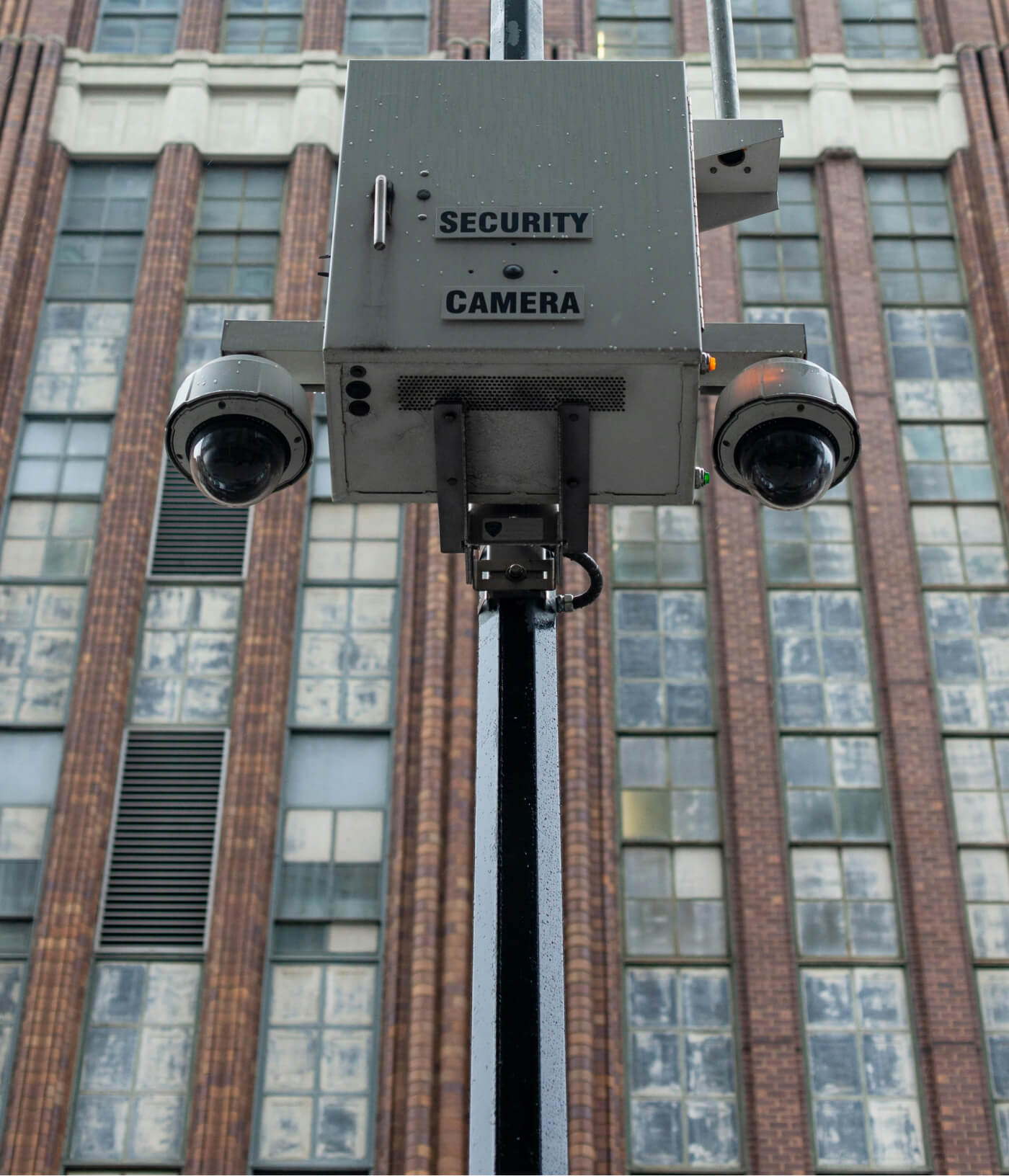
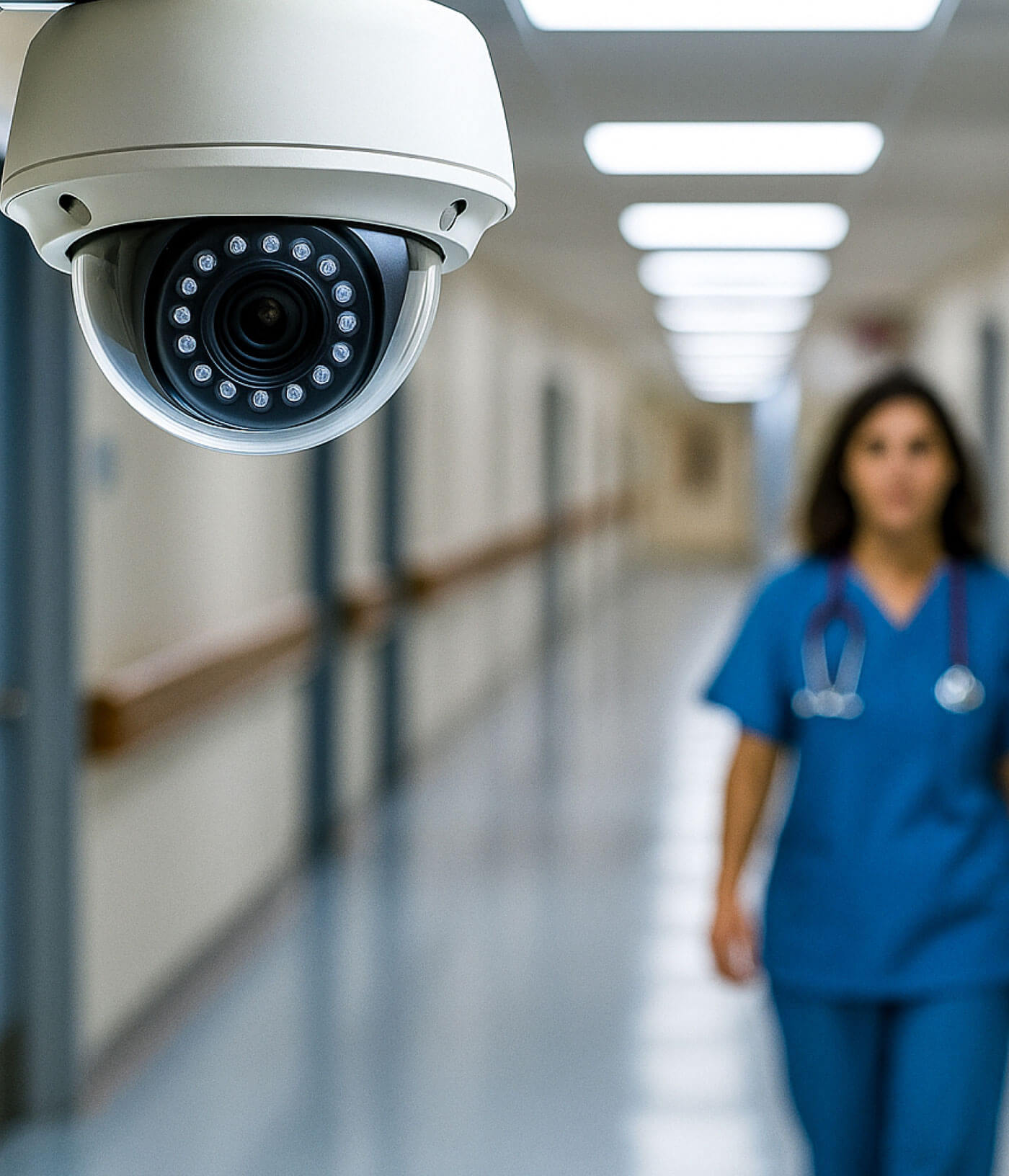
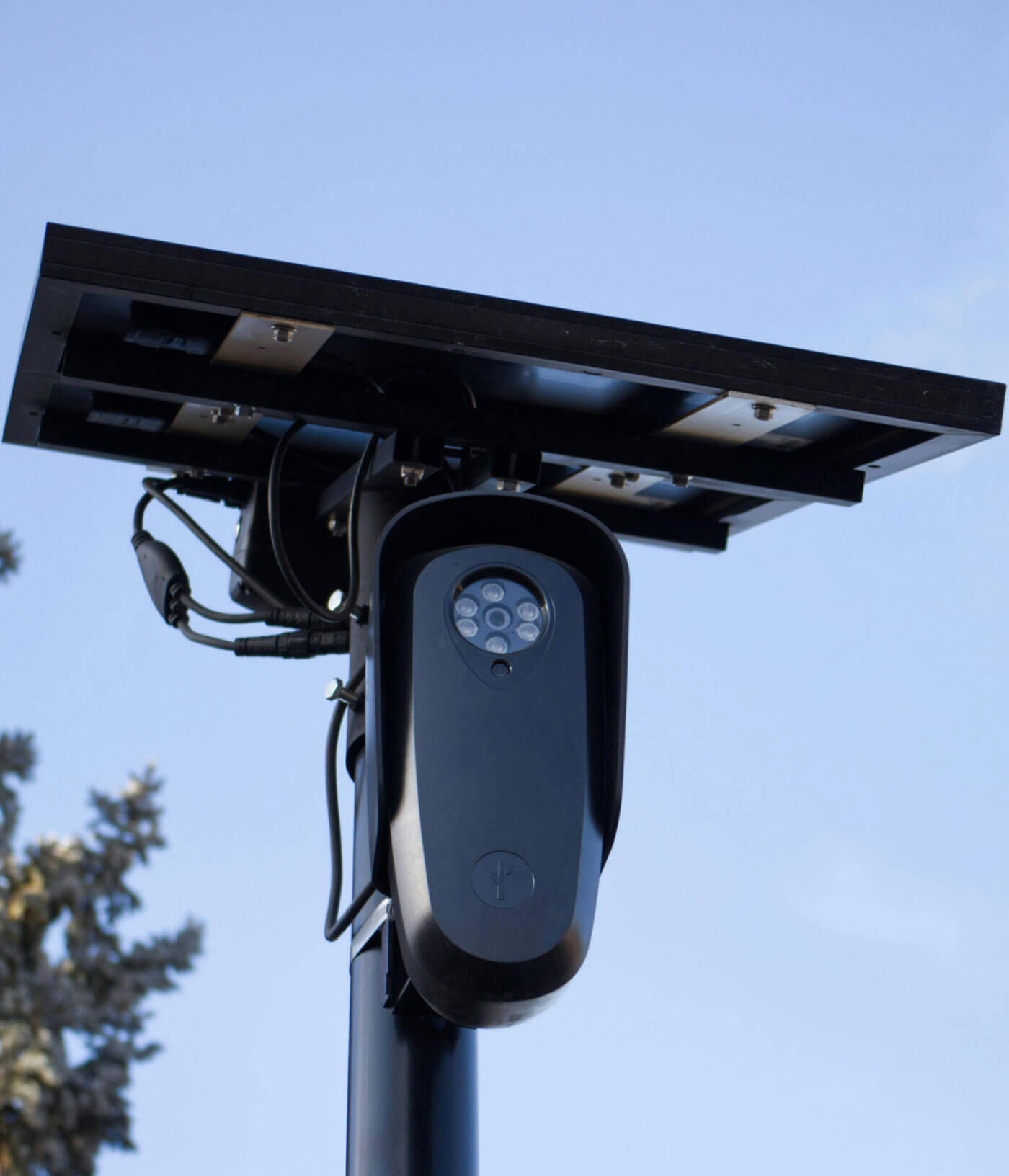
CCTV cameras provide visual surveillance of selected areas around a property. Depending on the equipment and recording settings, homeowners can monitor entrances, review recorded footage and receive motion-related notifications.
Modern systems may include remote viewing, intelligent detection and night-vision capabilities.
However, CCTV cameras do not always produce an audible warning or identify an actual break-in. A camera may detect movement without knowing whether the activity is a visitor, family member or potential intruder.
What Does a Home Alarm System Do?
A home alarm system focuses primarily on detecting potential intrusions through connected sensors.
Common components include door contacts, window sensors, indoor motion detectors, a control panel and a siren.
When the system is armed, an activated sensor may trigger an audible alarm and send a notification, depending on its configuration.
Unlike CCTV, a conventional alarm system does not normally provide video footage unless it is connected to compatible cameras or other visual verification equipment.
CCTV Cameras vs Home Alarms: Key Differences
| Security Feature | CCTV Cameras | Home Alarm Systems |
| Main purpose | Monitor and record activity | Detect potential intrusions |
| Video recording | Available with recording equipment | Not typically included |
| Entry detection | Camera-based detection on supported models | Door, window and motion sensors |
| Audible warning | Available on selected cameras | Commonly provided through sirens |
| Remote access | Supported by many modern systems | Supported by compatible smart alarms |
| Incident review | Recorded footage | Alarm event history |
| Typical coverage | Entrances and monitored areas | Protected doors, windows and interiors |
Neither system guarantees that an incident will be prevented. Their value comes from providing different security functions that can work together.
Why Do CCTV Cameras and Home Alarms Work Better Together?
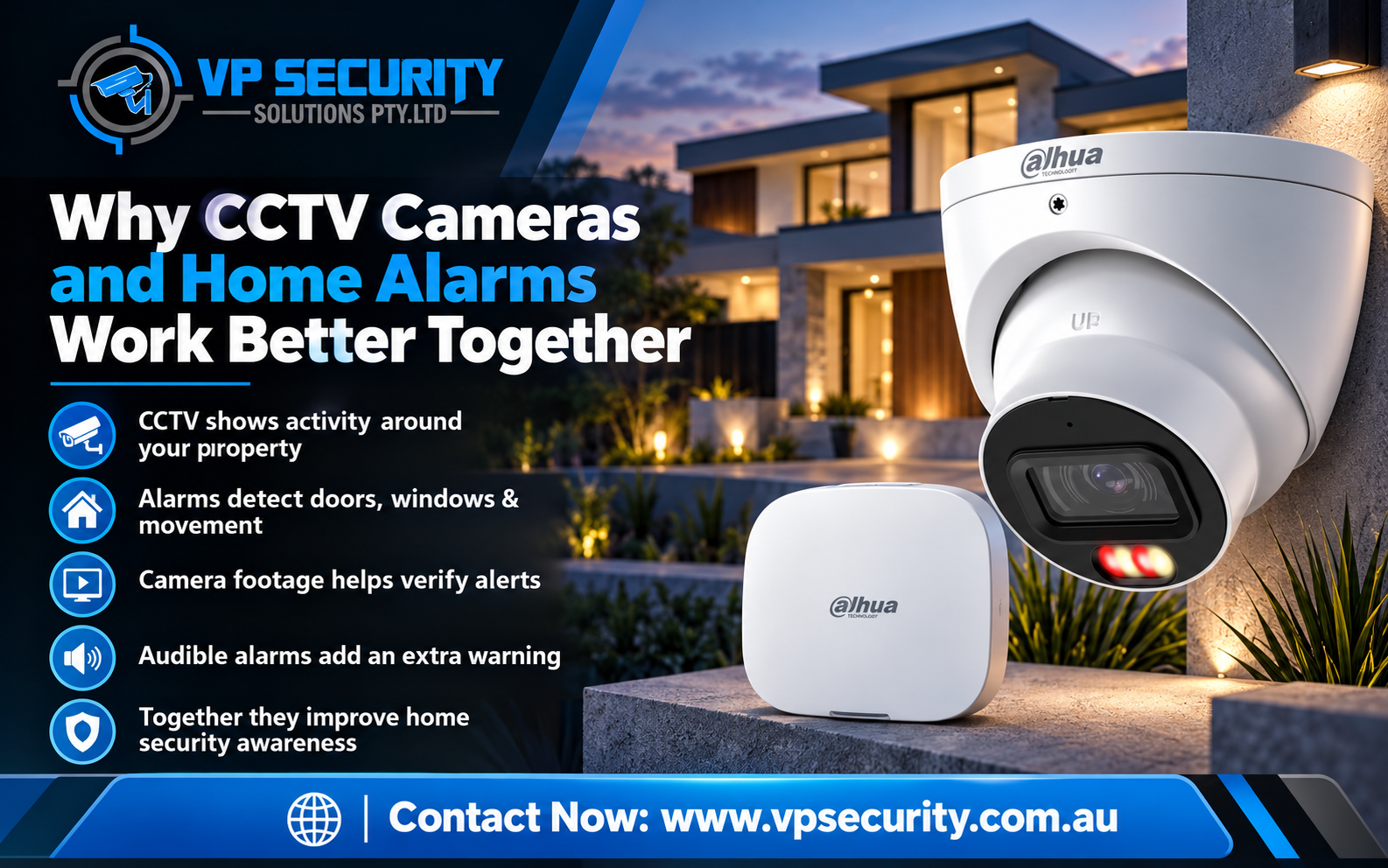
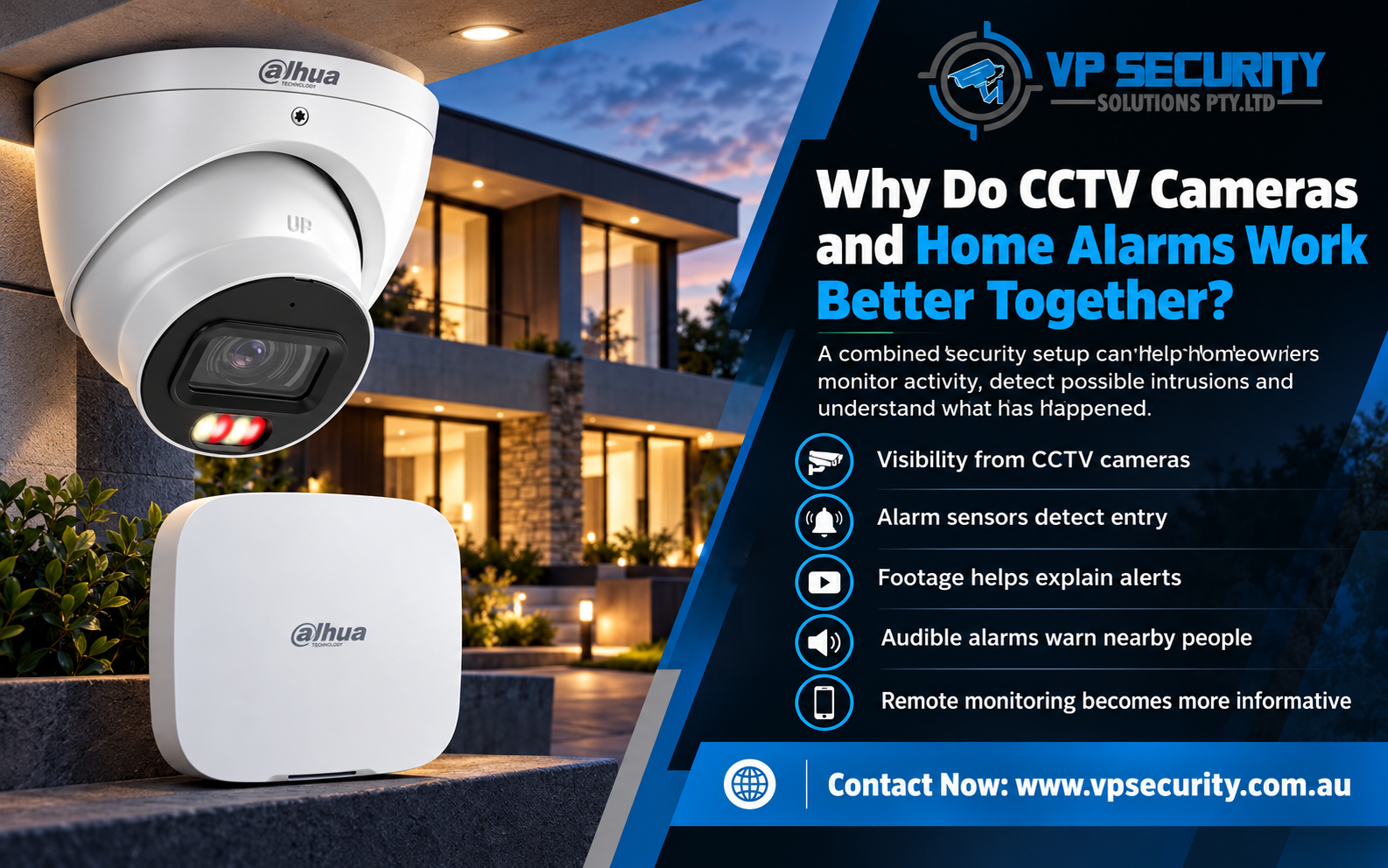
A combined security setup can help homeowners monitor activity, detect possible intrusions and understand what has happened.
1. CCTV Provides Visibility While Alarms Detect Entry
An outdoor CCTV camera can show someone approaching a driveway or walking towards an entrance.
A door or window sensor, meanwhile, can detect when a protected opening is accessed while the alarm is armed.
These functions complement each other because visual monitoring and sensor-based intrusion detection do not rely on exactly the same information.
2. Camera Footage Helps You Understand Alarm Alerts
Imagine receiving a notification that a rear door sensor has activated while you are away.
Without cameras, you may know which sensor triggered but have limited information about the surrounding activity.
If a suitable CCTV camera covers that entrance, you may be able to check live or recorded footage to better understand the situation.
This can help homeowners make more informed decisions about contacting a neighbour, security provider or emergency services.
3. Audible Alarms Provide an Additional Warning
Some surveillance cameras include lights or sirens, but these features are not available on every model.
A dedicated alarm system commonly provides an audible warning when an armed sensor is triggered.
The sound may draw attention to an unexpected entry and alert people nearby. Its effectiveness depends on factors such as the circumstances, installation and whether anyone is close enough to hear it.
4. Different Systems Can Cover Different Areas
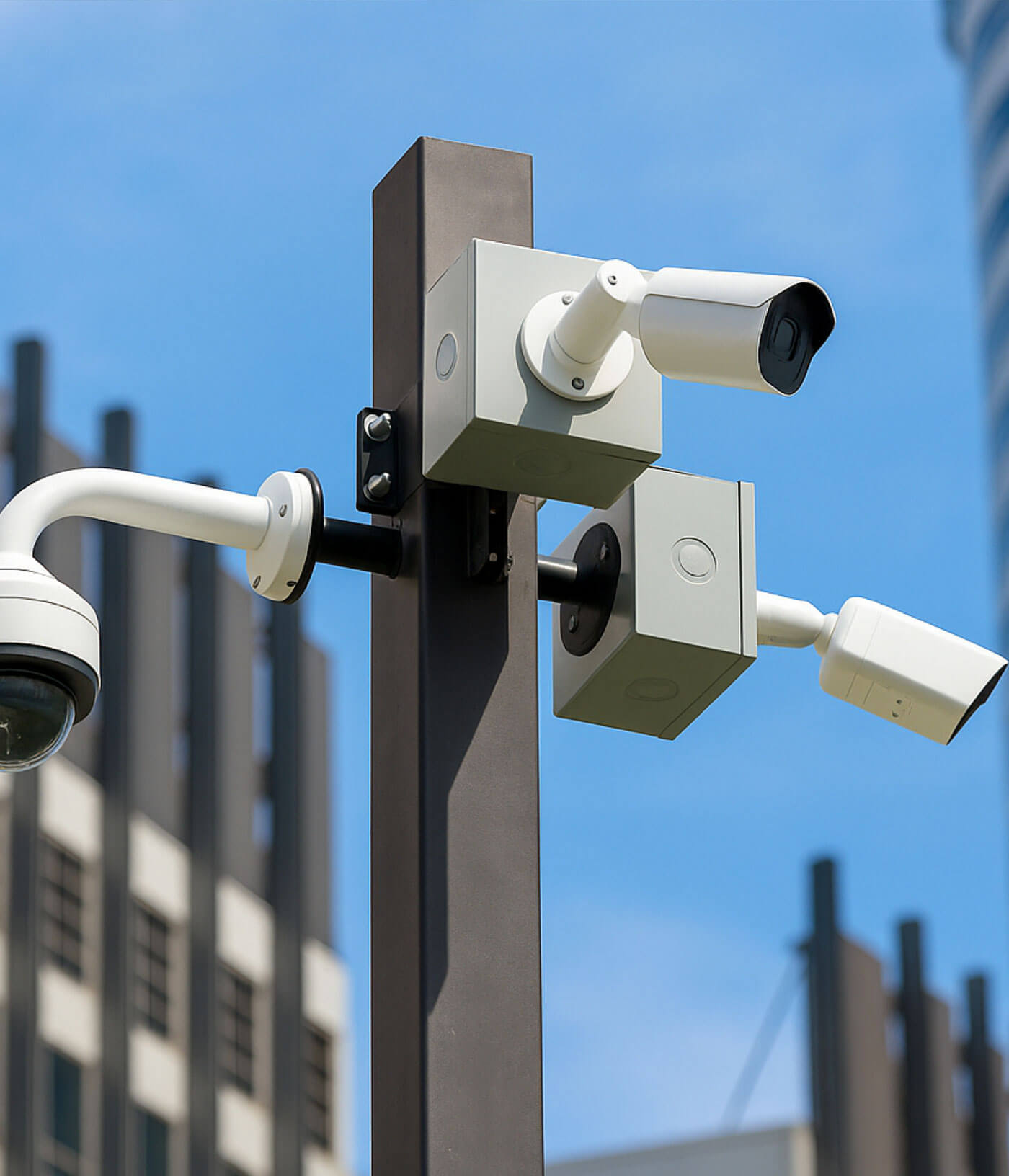
Outdoor CCTV cameras are often positioned around driveways, front entrances, garages and backyards.
Alarm sensors may protect external doors, accessible windows and selected indoor spaces.
Combining these functions can address areas where cameras alone cannot reliably confirm an intrusion or where alarm sensors cannot provide visual information.
5. Remote Monitoring Becomes More Informative
Many modern security products support mobile applications.
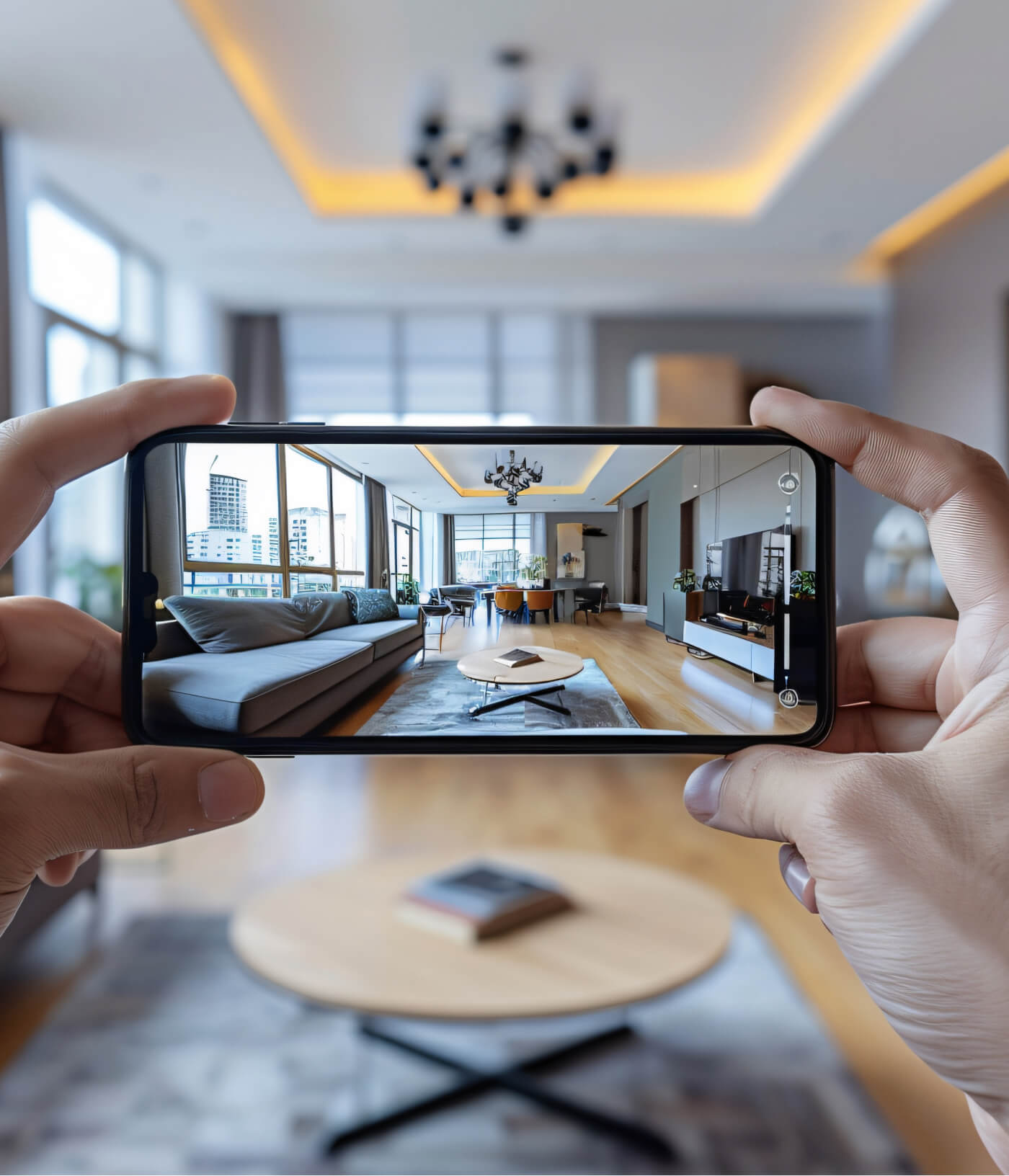
When compatible equipment is installed, homeowners may receive alarm notifications and access live camera footage remotely.
However, using CCTV and alarms together does not automatically mean they share a single application or operate as one integrated system. These capabilities must be checked during equipment selection.
How Do CCTV Cameras and Home Alarms Work in Real-Life Situations?
Understanding practical situations can help homeowners identify which security features they actually need.
Scenario 1: Someone Approaches the Garage Late at Night
A camera positioned towards the driveway may capture activity around vehicles and the garage entrance.
If someone subsequently opens a protected garage access door while the alarm is armed, the relevant sensor may activate.
The camera footage can provide visual context, while the alarm supplies a separate entry notification.
Scenario 2: An Unexpected Entry Occurs While You Are at Work
Suppose a ground-floor window is opened while the property is unoccupied.
A correctly installed and armed window sensor may trigger an alarm. If a nearby camera covers the relevant area, recorded footage may assist in reviewing the event.
This demonstrates how the two systems can provide different information about the same incident.
Scenario 3: Your Family Leaves for a Weekend Away
When a house remains unoccupied for several days, homeowners may want to monitor outdoor activity while keeping important entry points protected.
CCTV can provide access to selected camera views, while an alarm system can monitor armed sensors.
For people researching security cameras perth, considering both recording and intrusion detection requirements may lead to a more suitable home security setup.
Can CCTV Cameras and Home Alarm Systems Be Connected?
Yes, compatible CCTV cameras and alarm systems can be integrated to provide coordinated security functions. However, the level of integration depends on the equipment, software and installation configuration.
For example, a compatible setup may allow homeowners to review camera footage following an alarm event or receive different security notifications through connected applications.
Before purchasing equipment, consider:
- Compatibility: Confirm whether the CCTV recorder, alarm panel and software support integration.
- Mobile access: Check whether both systems can be managed through one application or require separate apps.
- Notification settings: Decide which alerts are important and how they should be delivered.
- Power backup: Consider suitable backup options for essential equipment during power interruptions.
- Professional configuration: Ensure sensors, cameras and network settings are correctly installed and tested.
An integrated system should be planned around useful functionality rather than simply connecting as many smart devices as possible.
Which Perth Homes Benefit Most from Combined Security Systems?
Different households have different surveillance and intrusion detection requirements. Combined systems may be particularly useful in the following situations.
Homes with Multiple External Entrances
Properties with front doors, rear sliding doors, side gates and garage access may benefit from having cameras monitor outdoor activity while alarm sensors protect selected entry points.
Double-Storey and Larger Family Homes
Larger homes may contain areas that cannot be observed from a single camera position. Combining carefully positioned cameras with indoor motion sensors and entry detectors can provide complementary coverage.
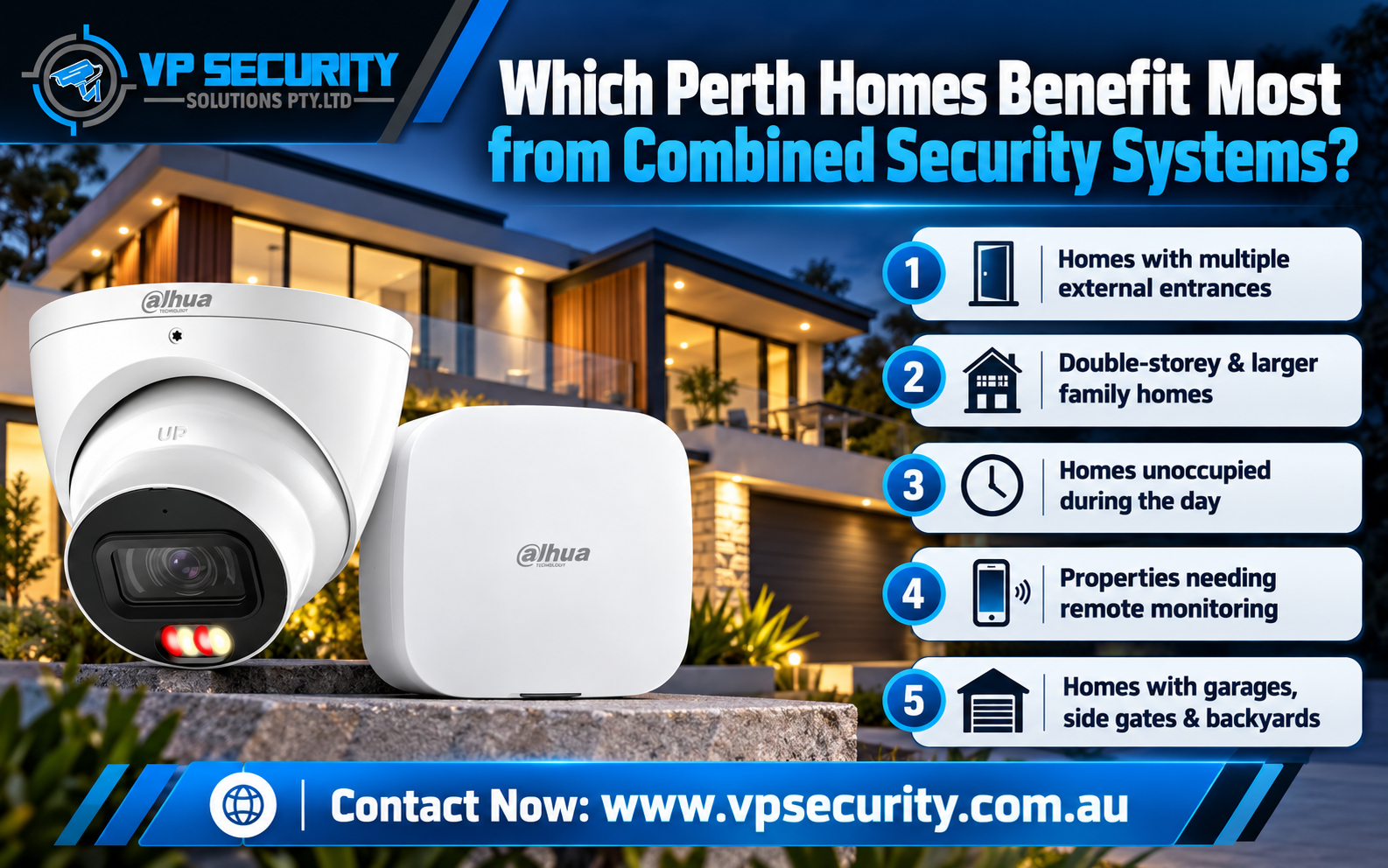
Homes That Remain Unoccupied During the Day
Households where everyone leaves for work or school may value remote camera access and alarm notifications.
The appropriate setup depends on the homeowner’s routine, property layout and preferred response arrangements.
What Should You Consider Before Installing Both Systems?
Installing CCTV and alarms together can be practical, but homeowners should evaluate the property before selecting equipment.
Important considerations include:
- Entry points: Identify doors, windows and other accessible openings.
- Camera locations: Prioritise areas where useful visual coverage is needed.
- Alarm zones: Decide which internal spaces and access points require sensors.
- Budget: Consider equipment, installation and any ongoing monitoring costs.
- Internet connection: Understand which remote features depend on connectivity.
- Privacy: Position cameras responsibly and consider household and neighbouring property privacy.
- Future upgrades: Choose equipment that allows suitable expansion if requirements change.
A professional assessment can help determine whether a standalone system or combined security arrangement is more appropriate.
Frequently Asked Questions
1. Do I Need a Home Alarm If I Already Have CCTV Cameras?
Not every property requires both systems. CCTV can provide useful surveillance and recorded footage, while an alarm adds dedicated intrusion detection through sensors. If detecting unauthorised entry is an important priority, an alarm may provide useful functionality alongside existing cameras.
2. Can CCTV Cameras Trigger a Home Alarm?
Some compatible systems support automated actions between cameras and alarm equipment. However, standard motion detection does not necessarily trigger a separate home alarm. Integration capabilities should be confirmed with the installer and equipment manufacturer.
3. Can I Monitor CCTV Cameras and Home Alarms from My Phone?
Many modern CCTV and home alarm systems offer smartphone applications for remote viewing, notifications and system control. Available features depend on the equipment and connection. A combined installation may use one compatible platform or separate applications.
4. Will My Home Alarm Work During a Power Outage?
Some alarm systems include backup batteries that allow essential functions to continue temporarily during a power interruption. CCTV equipment may require a separate uninterruptible power supply. Backup duration depends on the devices, battery capacity and system configuration.
5. Is CCTV Enough to Protect a Home?
CCTV can support home security through monitoring, event alerts and recorded footage, but it cannot prevent every incident. Whether additional alarm sensors are worthwhile depends on the property’s entry points, security concerns and how the homeowner wants to receive intrusion alerts.
6. Is It Worth Installing CCTV and a Home Alarm Together?
Installing both can be worthwhile when homeowners want visual surveillance and dedicated intrusion detection. The decision should consider property size, desired coverage, equipment compatibility and total installation costs. A tailored system may provide better value than purchasing equipment without a clear security plan.
Why Choose VP Security for Home Security in Perth?
VP Security Solutions provides residential security services across Perth, helping homeowners select equipment suited to their property and everyday requirements. Our team offers CCTV camera installation, home alarm systems, wireless alarm solutions and professional configuration, with attention to camera positioning, sensor coverage and remote access. We can help homeowners understand which security features are necessary, assess compatible equipment and plan installations around individual needs. Whether you are upgrading existing equipment or exploring cctv systems perth for a new home, VP Security provides tailored installation solutions and ongoing technical support to help keep your equipment functioning effectively.
Conclusion
CCTV cameras and home alarms work better together because they address different aspects of residential security. Cameras help homeowners observe and review activity, while alarm systems can detect potential intrusions and provide warnings.
When appropriately selected and configured, these systems can complement each other without requiring unnecessary equipment.
For Perth homeowners, the most practical approach is to consider the property’s layout, access points and security priorities before deciding on a combined installation.
Looking to improve your home’s security? Contact VP Security Solutions on 0460 894 729 to discuss CCTV and home alarm options suited to your property.
